
The Christmas party season is one of the busiest times of year for pubs, bars and clubs. Office parties, catch-ups with old friends and New Year's Eve celebrations all mean more nights out, bigger crowds and more drinks being bought in rounds. Most of these nights are exactly what they should be: fun, festive and memorable for the right reasons. But busy, crowded venues can also give people who want to spike others more opportunity. This guide explains how to enjoy the festive season safely, how to look out for colleagues and friends, and what to do if something does not feel right.
Key takeaways
- Spiking can happen to anyone, in any venue, including at office parties and private gatherings.
- Planning ahead, sticking together and keeping your drink with you all reduce the risk.
- If you or a friend feel unwell, get help straight away: call 999 in an emergency or NHS 111 for urgent advice.
- Always report suspected spiking to the police, even if you are not sure.
Why the festive season needs extra care
Spiking is not a rare or distant problem. Between May 2022 and April 2023, police in England and Wales received 6,732 reports of spiking, an average of 561 a month, and the government recognises that many incidents are never reported. According to the Home Office spiking factsheet, 80% of reported incidents happen in public places, especially places people go to enjoy themselves at night, with almost half taking place in a bar.
Christmas brings together many of the situations where risk is higher: packed venues, people you may not know well, drinks being passed around, and late, tired journeys home. Police forces regularly run festive campaigns on this. West Midlands Police, for example, has urged people to stick together, keep an eye on their drinks and be wary of anyone reaching over them during the party season.
Before you go out
- Plan your journey home. Book a licensed taxi, check last trains or agree who you are travelling with before the night begins.
- Charge your phone. Take a portable charger if you can, and share your location with someone you trust.
- Agree a plan with friends or colleagues. Decide where to meet if you get separated and agree that nobody leaves alone.
- Eat before you drink. Knowing your limits makes it easier to notice when something feels wrong.
At the party
- Watch your drink being poured and keep it with you. If you leave it unattended, get a fresh one.
- Be cautious with drinks from people you do not know well, including at work events where people you have only just met may offer to buy a round.
- Cover your drink with your hand, or ask if the venue has drink covers or lids.
- Look out for each other. If a colleague seems far more drunk than they should be, do not assume they have simply overdone it.
- Know where to get help. Many venues take part in Ask for Angela, a scheme where anyone who feels unsafe can ask staff for "Angela" and be helped discreetly, whether that means a safe space, a call to a friend or transport home.
Signs that someone may have been spiked
The official GOV.UK spiking guidance lists signs to look out for, including:
- confusion and disorientation;
- nausea and vomiting;
- hallucinations and paranoia;
- poor co-ordination and problems with vision;
- being unable to communicate clearly;
- memory loss and blackouts.
These signs can look like drunkenness, which is why spiking is easy to miss at a busy party. Trust your instincts. If someone has gone downhill quickly or seems much worse than the amount they have drunk would explain, treat it seriously.
What to do if you think you or a friend has been spiked
- Tell someone you trust and alert venue staff or security.
- Stay together. Do not let your friend go home alone or leave with someone they do not know.
- Get medical help. Call 999 if someone is seriously unwell or their condition gets worse. For urgent medical advice, call NHS 111.
- Report it to the police on 999 in an emergency or 101 otherwise. Many forces also accept online reports.
- Report quickly. The Home Office notes that some drugs can leave the body in as little as 12 hours, so early testing matters.
Spiking is never the victim's fault. Whatever happened earlier in the evening, and however much you had to drink, the responsibility lies with the person who spiked you.
For employers and party organisers
If you are organising a work Christmas party, a little planning goes a long way. Choose venues whose staff know how to respond to spiking, and make sure your team knows how they are getting home. The government's spiking guidance for venues advises staff to check whether a victim needs medical help, find their friends, take them somewhere safe away from crowds, help them get home safely and call the police. It is worth sharing that same approach with your team before the night.
A little extra peace of mind
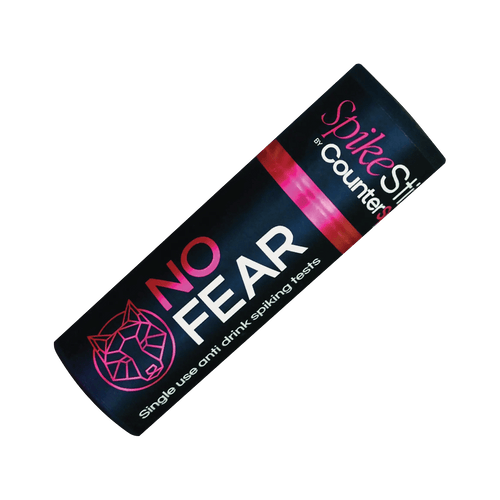
SpikeStixx are discreet, pocket-sized drink spike tests that you can take to any party. Dab a clean finger in your drink, dab it onto the yellow tip of the stick and wait 5 seconds. If the yellow turns dark orange, your drink may have been spiked: do not drink it, and get help. Heading out as a group? The PartySafe bundle makes it easy to share tests with friends or colleagues. A test is an extra layer of reassurance, not a replacement for reporting: if you think you have been spiked, always contact the police so they can carry out an official test.
Wishing you a safe and happy Christmas and New Year.